
Settlement Information
Migration Associates is here to assist you in making a smooth transition into your new home. Trust Migration Associates to provide you with the professional guidance and assistance you need as you embark on this new chapter of your life.
Accommodation
Renting or Buying?
Even if you plan to buy eventually, it is advisable to start by renting. This approach allows you to explore available options and determine the ideal location for you and your family before making a commitment. A wide range of rental properties are available on both short-term and long-term fixed bases. Rental prices vary depending on the size and location of the property. Typically renters in New Zealand are expected to
pay independently for their utilities (electricity, phone, internet etc).
Buying in New Zealand
Homeownership in New Zealand stands at around 65 percent. If you've settled in New Zealand permanently and are considering buying a home, you have a couple of options. You can approach a Real Estate agency to engage an agent who can assist in finding a suitable property, or you can search for houses for sale online.
Once you identify a property you like, you would typically submit a written offer. It's important to note that a verbal offer to purchase a property is not legally binding. Your offer will be made through a Sale & Purchase Agreement, which often includes conditions like securing mortgage finance, conducting title searches, and obtaining building reports. These conditions are designed to protect you in case any issues arise during the purchase process.
Negotiating on the purchase price is common in New Zealand. Banks in New Zealand provide home loans and can guide you through the mortgage application process. Alternatively, you can enlist the services of a mortgage broker who can handle negotiations with the banks on your behalf.
Finding the right home for you and your family:
Type of Accommodation:
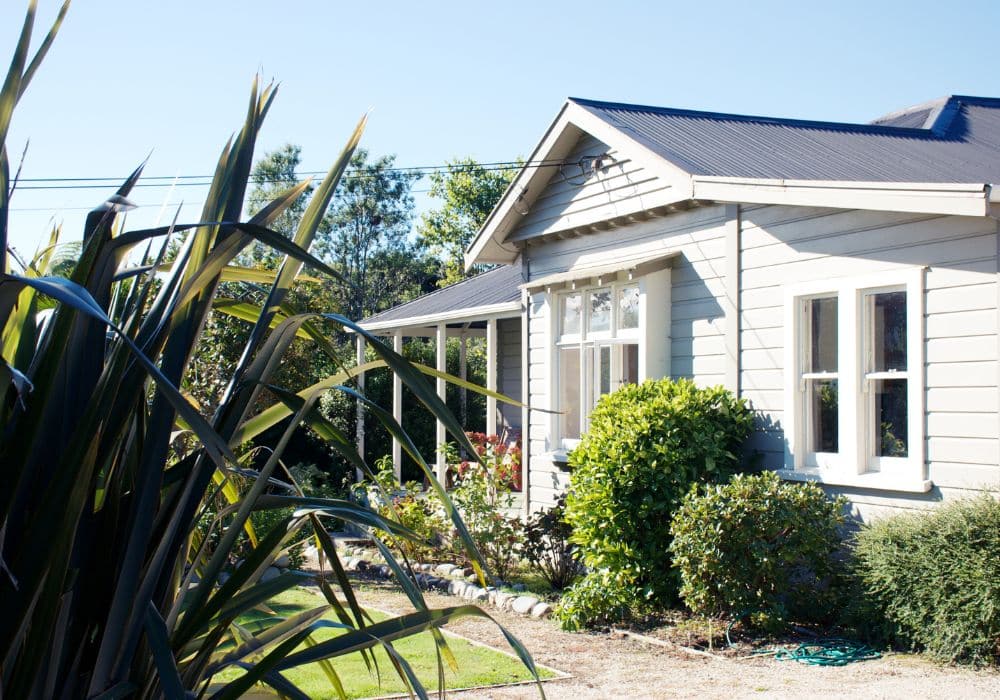
New Zealand homes offer diverse options, including suburban homes, rural living and lifestyle blocks, apartments, flats, and townhouses. The housing landscape is as varied as our people, catering to different preferences, from an outdoor lifestyle to a central city dwelling or a family home with ample space for children to play.
Locating the Ideal Neighbourhood:
Finding a warm and inviting house in a desirable neighbourhood close to schools, transportation, shops, and your workplace is essential. Do not limit your search to online listings; seek advice from friends and colleagues, as many quality properties in New Zealand are discovered through word of mouth. Always schedule a visit to the property before committing to renting or buying. This hands-on approach provides a better understanding of the property and its surroundings.
School Zones:
If you have selected a school for your child, check if it has an enrolment zone. Living within this zone ensures your child a place in the school. If you are outside the zone, you can still apply, but acceptance is not guaranteed. For more information on school zones and transportation for your children, visit our dedicated Choosing a school page.
Transportation Options:
While larger cities in New Zealand boast well-developed public transport systems, smaller centers may have more limited services. Explore the Community services page for your region to learn more about transportation options. Considering the spread-out nature of New Zealand cities and towns, even with reliable public transport, having a car is often necessary. Find comprehensive details on transportation in New Zealand on our Transport in New Zealand and Transport to school pages.
Understanding Tenancy Laws in New Zealand:
Before you start searching for accommodation, it is important to familiarise yourself with New Zealand's tenancy laws. The Residential Tenancies Act outlines the rights and responsibilities of both tenants and landlords. The official Tenancy Services website (link) is a valuable resource for detailed information on your rights, obligations, and the tenancy agreement process.

Navigating Bonds:
In New Zealand, landlords commonly request a bond as security against any potential damage or unpaid rent. This amount is usually equivalent to four weeks' rent. It is essential to include this expense in your budget before your arrival in New Zealand to ensure proper financial planning. You should also make sure you understand the conditions for refunding the bond and keep a record of the property's condition at the start and end of your tenancy. The Bond Centre (link) provides guidance on bond-related matters.
Average Rental Costs by Location:
Rental costs can vary significantly depending on the city or region. Auckland, Wellington, and Christchurch are major urban centers where prices may be higher compared to rural areas. Factors like rental prices, proximity to amenities, public transport, and local schools can also influence the prices. To get a sense of average rental costs in your preferred location, websites like Trade Me Property (link) and Realestate.co.nz (link) are excellent resources. They offer a variety of listings and filters to help you find accommodation within your budget.
Climate and Heating:
Given the diverse climate across New Zealand, with warmer winters in the north compared to the south, understanding heating options is crucial. Unlike some countries, older houses in New Zealand might lack central heating. While the majority of new builds boast good insulation, it is crucial to inquire about insulation levels, available heating options, and the amount of sunlight the property receives when visiting a house. Be mindful of potential heating costs, as New Zealand houses may retain less warmth than homes in other countries. Explore resources like Gen Less | Tenancy Services Healthy Homes | Standards Insulation for additional guidance.
Connecting to Utilities:
Setting up essential utilities like electricity, water, and internet is a crucial step when moving into a new country.
Electricity:
New Zealand's power outlets use plugs with three flat pins, including an earth pin. The voltage is 230-240 volts at 50 hertz. The country has various electricity retailers offering diverse plans. Websites such as Powerswitch (link) can help you compare electricity providers and find the most cost-effective option.

Gas:
Gas is commonly used for cooking, heating, and water systems. Natural Gas is piped to homes in some areas, while others use LPG in bottles. The distinct smell added to gas aids in leak detection. Understanding the local gas odour is crucial.
Wood Burners:
Wood burners are a prevalent heating option. Users must ensure a source of dry wood, understand proper operation, and check for necessary permits. Some areas may restrict wood burner usage due to air quality concerns.
Water:
New Zealand's tap water is treated for quality, and fluoride is added for dental health. Reticulated water is managed by local councils, while some rural areas rely on rainwater tanks or underground bores. Water charges vary across regions, and homeowners typically pay through council rates. Check with the local council in your area.
Leaking Pipes:
Homeowners are responsible for fixing water pipe leaks from the tap on the road to their property. Monitoring for leaks and checking water bills against previous usage is essential.
Internet and Telephone:
Internet and telephone services are diverse, with options ranging from ADSL2+ and cable to 3G and 4G mobile broadband. Chorus has expanded an ultrafast broadband network, with widespread coverage. Accessing these services is often done through approximately 70 retailers connected to Chorus. Broadband Compare (link) is a useful tool for comparing internet plans from different providers.
Rubbish and Recycling:
Urban areas have council-provided rubbish and recycling services. Kiwis are avid recyclers, and transfer stations facilitate recycling of used items. Local council websites offer information on waste collection and recycling in specific regions.
Television (TV):
New Zealand TV has transitioned to digital, offering free-to-air channels through Freeview and additional options like Pay TV (Sky, Igloo, Vodafone). Streaming services like Netflix and Neon are also popular. We recommend against shipping TVs and suggest considering purchasing one locally upon arrival in the country. This approach is often more convenient and cost-effective.

Finding accommodation in a new country can be both exciting and challenging. By understanding tenancy laws, navigating bonds wisely, researching average rental costs, and connecting to reliable utility providers, you will be better prepared for a smooth transition. Remember to use the provided links to access valuable resources that will guide you through each step of the process. Best of luck with your new adventure in New Zealand!
Transport
New Zealand has a diverse transportation system that includes well-maintained roads, buses, trains, ferries, and domestic flights. The country's transportation infrastructure caters to both urban and rural areas, offering various options for travel and commuting. Major cities like Auckland, Wellington, and Christchurch have public transport networks comprising buses, trains, and ferries, while long-distance travel between cities often involves buses or domestic flights. Additionally, New Zealand's scenic train routes and ferry services between the North and South Islands offer unique travel experiences.


Public Transportation:
Buses
Buses in New Zealand serve as versatile transportation options, encompassing urban transit within major cities, inter-city travel connecting different regions, and specialized routes for tourist exploration. They offer a convenient and accessible way for both locals and tourists to commute, travel between cities, and explore the country's attractions.
Trains
New Zealand's rail network comprises scenic train services like the TranzAlpine, Northern Explorer, and Coastal Pacific. These trains connect major cities and traverse diverse landscapes, offering both locals and tourists a unique and picturesque mode of travel across the country.
Ferries
Ferries in New Zealand serve as crucial links between the North and South Islands, primarily facilitated by the Interislander and Bluebridge ferry services. These ferries transport passengers, vehicles, and cargo, providing a scenic journey through the Marlborough Sounds. Additionally, smaller ferry services operate within regions like Auckland, connecting the city with its surrounding islands, offering both commuters and tourists a picturesque mode of travel.
Cycling and Walking:
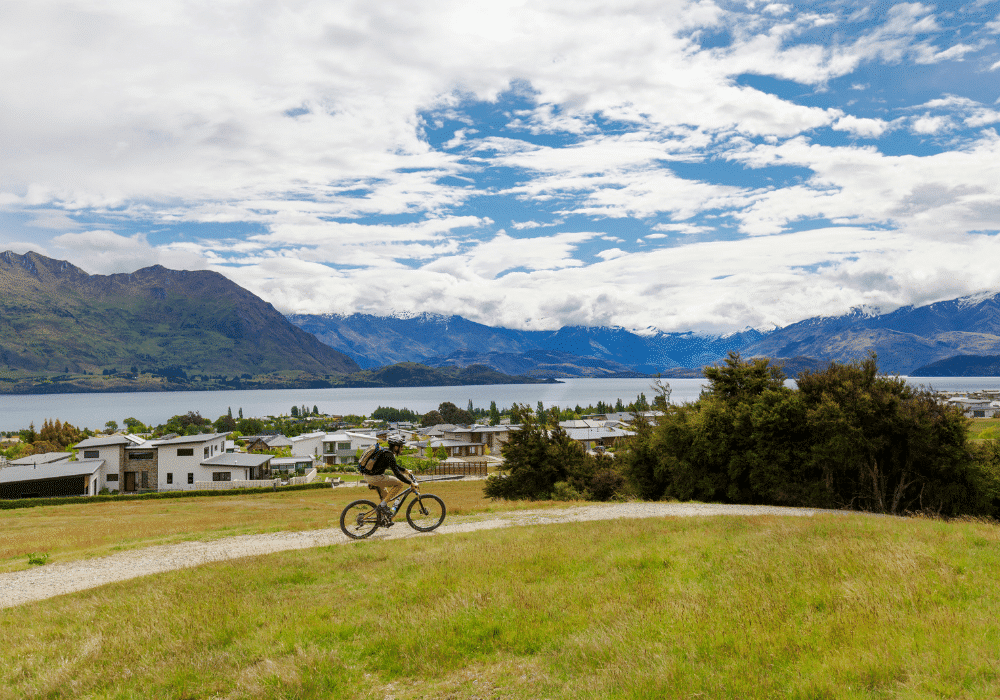
Cycling and walking are popular activities in New Zealand, offering diverse experiences across varied landscapes. The country provides scenic trails for both cycling and hiking, including long-distance routes like the Great Rides for cycling enthusiasts and famous tracks such as the Milford Track for hikers. Urban areas also feature dedicated paths for walking and cycling, making it convenient to explore cities on foot or by bike. Overall, these activities allow people to immerse themselves in New Zealand's natural beauty and landscapes.
Driving:
Cycling and walking are popular activities in New Zealand, offering diverse experiences across varied landscapes. The country provides scenic trails for both cycling and hiking, including long-distance routes like the Great Rides for cycling enthusiasts and famous tracks such as the Milford Track for hikers. Urban areas also feature dedicated paths for walking and cycling, making it convenient to explore cities on foot or by bike. Overall, these activities allow people to immerse themselves in New Zealand's natural beauty and landscapes.
Basic NZ Road rules:
- Driving side – drive on the left-hand side of the road.
- Speed limits and drink driving – strictly enforced so need to pay attention to posted signs.
- Seat belts – wearing seat belts is mandatory for all passengers in a vehicle (front and back seats) and child restraints! Failure to wear seat belt can results in fines and demerit points on driver’s licence!
- Road signs and rules
- It is illegal to use mobile phones while driving
Driver’s License:
You can only drive using an overseas driver licence for 12 months from last date of entry into NZ. If you’ve been in NZ for more than 12 months, you won’t be able to drive on your overseas driver licence.

Rental Cars/Motorhomes:
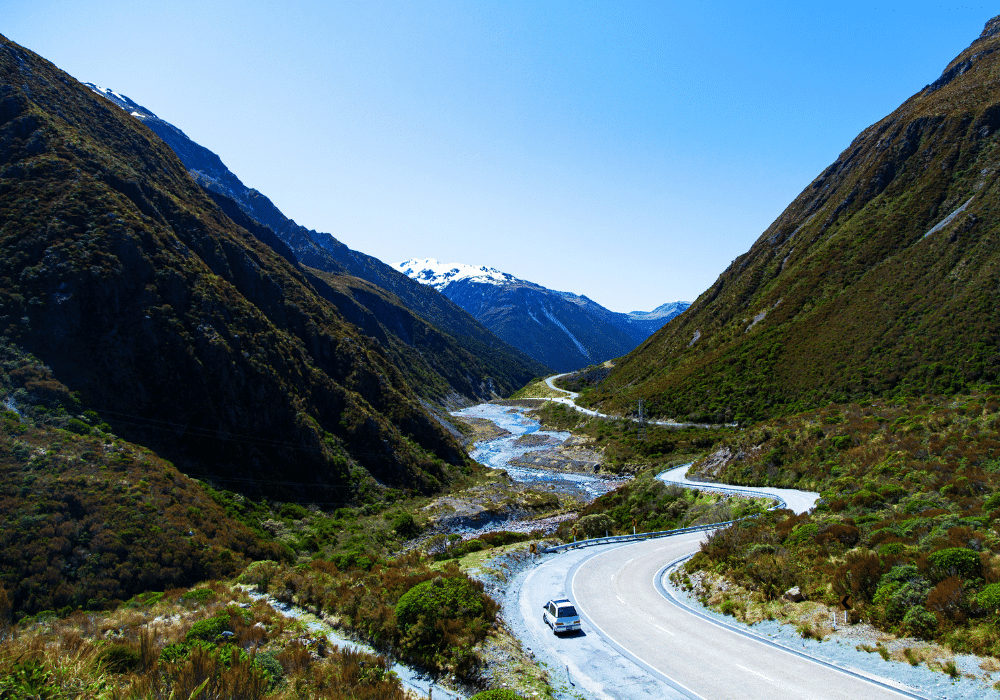
Car and campervan rentals are popular options for exploring New Zealand.
Car Rentals:
Numerous companies offer car rentals in major cities and airports. Cars provide flexibility for travellers, allowing them to explore various destinations at their own pace. Rental options range from compact cars to larger vehicles suitable for families or groups.
Campervan Rentals
Campervans are a favoured choice for travellers seeking both transportation and accommodation. These mobile homes come in various sizes and configurations, equipped with basic amenities such as beds, kitchens, and sometimes bathrooms. They provide flexibility in itinerary, enabling travellers to camp in designated areas or holiday parks across the country.
Renting a car or campervan in New Zealand provides an adventurous and flexible way to experience the country's stunning scenery and attractions.
Uber/Ride-sharing services
In New Zealand, both Uber and traditional taxi services are available for transportation:
Uber:
operates in major cities like Auckland, Wellington, Christchurch, and a few other urban areas. It offers a convenient app-based platform for booking rides with private drivers. Uber provides various service levels, including UberX (standard rides), Uber Comfort (extra comfort), Uber Premier (premium vehicles), and Uber Pool (shared rides).
Taxis:
Traditional taxi services are also prevalent in New Zealand's cities and towns. These services can be hailed on the street or booked through phone calls. Taxis are regulated and offer a metered fare system.
Lime/Neuron Scooters:
Lime and Neuron scooters are electric scooters available for rental through a smartphone app. Users can locate and unlock these scooters using the app, ride them for short distances, and then leave them at their destination for the next user.
Healthcare
New Zealand boasts a high-quality healthcare system that is both comprehensive and accessible. The system is a mix of public and private services, ensuring that residents receive the care they need
As a new migrant in New Zealand, you may have questions about how the healthcare system works, especially when it comes to primary care. This article aims to provide you with the necessary information to navigate the healthcare system.
Who can be considered eligible for NZ healthcare ?
The Health and Disability Services Eligibility Direction 2011 sets out the eligibility criteria for publicly funded health and disability services in New Zealand. The groups of people who meet the criteria defined in the Direction can receive some or all of publicly funded health and disability services.
For foreign nationals, eligibility is largely based on immigration status:
-
-
- New Zealand Residence Class Visa Holders:Individuals holding residence class visas are eligible for all publicly funded health and disability services.
- Permanent Residents in NZ for 2+ Years: Australian citizens and permanent residents intending to spend at least two consecutive years in New Zealand are eligible for all services
- Work Visa Holders in NZ for 2+ Years: Work visa holders with visas allowing them to stay in New Zealand for at least two consecutive years are eligible for all services.
- Interim Visa Holders: Interim visa holders who were eligible immediately before their interim visa started remain eligible for services.
- Refugees, Protected Persons, Victims of Trafficking: Individuals with refugee or protected person status, or those recognised as victims of people trafficking, are eligible for services.
- Children of Eligible Adults: Children under 18 whose parents or legal guardians are eligible under specified categories are also eligible for services.
-
Public Healthcare
The public healthcare system, funded through taxation, provides essential services to residents. Upon your arrival, you will be eligible to register with a local general practitioner (GP) who will serve as your primary point of contact for non-emergency healthcare needs. This initial step is pivotal in establishing a continuum of care tailored to your individual health requirements.
Private Healthcare
While public healthcare is robust, some individuals opt for private healthcare services for additional benefits and faster access to certain treatments.

Enrolling with a General Practitioner (GP)
Registering with a local GP is a vital step in accessing healthcare services. Your GP is your first point of contact for non-emergency healthcare needs. They can provide medical advice, treatment for common illnesses, vaccinations, and referrals to specialists if necessary. By registering with a GP, you establish a consistent healthcare relationship. Your GP will keep your medical history on file, which is valuable for managing any ongoing health concerns. If you require regular medications, your GP can prescribe them and monitor their effectiveness.
How to Register with a GP
The process of registering with a GP in New Zealand is straightforward:
-
- Find a GP Practice: Research GP practices in your local area. You can ask neighbors, colleagues, or use online directories to locate nearby clinics.
- Make an Appointment: Contact the GP practice to schedule a registration appointment. Inform them that you are a new patient.
- Attend the Appointment: Bring your identification documents (passport and visa) to your appointment. You may also need to provide proof of your address in New Zealand.
- Complete Registration Forms: At the appointment, you will be asked to fill out registration forms. These forms collect important information such as your medical history, and contact details.
- Consultation: After completing the registration process, you will have a consultation with the GP. This is an opportunity to discuss any health concerns or queries you may have.
- Costs: The cost of a GP consultation can vary widely depending on where you are and the type of practice you visit. For enrolled patients, a GP visit is generally between NZD$45 and NZD$75.
- Receive your NHI Number: Upon registration, you will be assigned a National Health Index (NHI) number. This unique number is used to identify you in the New Zealand healthcare system.
- Language Assistance: If English is not your first language, inquire if language assistance services are available at the GP practice.
- Cultural Competency: New Zealand's healthcare system is working towards cultural competency, but challenges remain. Don't hesitate to ask questions, seek clarification, and advocate for your needs.

Health Insurance Requirements for NZ Visa Holders
If you hold a Fee-paying Student Visa or a working holiday visa for New Zealand, obtaining health insurance is a mandatory requirement as part of your visa application.
While not compulsory for individuals applying for other types of visas, having health insurance can provide an additional safety net. Many people traveling to New Zealand opt for travel insurance to cover potential healthcare expenses even if not required by INZ.
Even if you are not eligible for publicly funded health care, there are certain situations where you might qualify for free or subsidised medical care.
For eligibility details regarding publicly funded health services, refer to the Ministry of Health.
Pharmacies and Prescription Medications
Pharmacies are typically located in local communities, and they offer a range of services, including filling prescriptions, providing advice on over-the-counter medications, and offering health checks and consultations.
Prescriptions in New Zealand are typically issued by doctors, and they can be filled at any pharmacy. The cost of prescriptions is subsidized by the government, which means that you will only need to pay a portion of the cost. The amount you pay will depend on the type of medication and your personal circumstances.
To fill a prescription, you will need to bring it with you to a pharmacy. The pharmacist will then dispense the medication and provide you with instructions on how to take it. You may also be able to get a prescription filled at a supermarket pharmacy, which can be more convenient if you are doing your grocery shopping at the same time.
In New Zealand, you can buy many medications over the counter without a prescription. These medications are typically used to treat minor health conditions, such as headaches, colds, and indigestion.


Maternity Care and Child Health Services
To be eligible for publicly funded maternity care in New Zealand, you must meet certain criteria. Pregnant women are eligible for free and subsidised maternity-related services if they:
- Are eligible for publicly funded health and disability services in their own right
- Their husband, civil union partner or de facto partner is a:
- New Zealand citizen
- New Zealand resident or permanent resident visa holder
- Australian citizen or Australian permanent resident visa holder who has been living, or who intends to live, in New Zealand for two years or longer
- Refugee or protected person, or is applying or appealing for refugee or protected person status, or is a victim or suspected victim of a people trafficking offense
- Work visa holder able to stay in New Zealand for 24 consecutive months (time spent lawfully in New Zealand immediately before the start of the work visa counts toward the two year requirement)
- Interim visa holder who was eligible immediately before the interim visa was issued
- Are pregnant with a child that is found to be a New Zealand citizen by birth
Maternity care in New Zealand is designed to support women throughout pregnancy, childbirth, and postpartum. When pregnant, it's essential to register with a Lead Maternity Carer (LMC), who could be a midwife, doctor, or obstetrician. Your LMC will guide you through your pregnancy, provide antenatal care, assist during childbirth, and offer postnatal support. Maternity care is publicly funded, ensuring access to essential services.
For your child's health needs, New Zealand offers comprehensive child health services. Upon birth, your child will be assigned a Well Child Tamariki Ora provider who will oversee their health and development until the age of five. This provider will offer immunizations, health checks, and support for parenting and child development.
Understanding Accident Compensation
New Zealand is renowned for its breathtaking landscapes and outdoor adventures. However, as with any destination, accidents can happen unexpectedly. Whether you are a tourist exploring the beauty of New Zealand or an overseas worker contributing to its economy, it's essential to understand the country's Accident Compensation Corporation (ACC) scheme.
What is the ACC Scheme?
The ACC scheme is a unique no-fault system designed to provide coverage for anyone injured in an accident in New Zealand, regardless of residency status. This includes tourists, visitors, and overseas workers. The scheme ensures that if you're injured due to an accident during your time in New Zealand, you're entitled to receive compensation and support.
Coverage for Visitors
As a visitor to New Zealand, you're entitled to the same level of accident coverage as residents under the ACC scheme. This means that if you suffer an injury while in the country, you can access medical treatment and support, even if the accident was not your fault.
The ACC covers a range of costs related to your injury, including medical treatments, rehabilitation, and in some cases, compensation for lost earnings.
How to Access ACC Coverage
If you're injured and require medical treatment, the process of accessing ACC coverage is straightforward:
-
- Seek Treatment: The most important step is to get the necessary medical attention. Visit a treatment provider (doctor, hospital, etc.) and inform them that your injury resulted from an accident.
- Claim Process: The treatment provider will assist you in filling out the necessary forms to initiate an ACC claim on your behalf. They will confirm that your injury is a direct result of an accident.
- Costs and Coverage: If your injury is covered by ACC, they will contribute towards your medical costs. However, you may still need to pay a portion of the fees yourself.
Additional Information
For more detailed information on what to do if you're injured in New Zealand as a visitor, visit the ACC website. The website provides comprehensive guidance on the steps to take, including how to access medical treatment and initiate an ACC claim.

Education
If you're relocating to New Zealand with children, ensuring they receive a quality education is a top priority. Fortunately, New Zealand offers a diverse range of educational options tailored to children of all ages.
Preschool and Childcare
For children under five, Early Childhood Education (ECE) is readily available with government funding covering the first 20 hours per week. This provides an excellent opportunity for socialization and early learning.
Find an ECE: Parents.Education.Govt.NZ
Public and Private Schools
New Zealand boasts a respected education system, featuring both public (government-funded) and private schooling options. Public schools are tuition-free for citizens and permanent residents, with a small donation often requested to support school activities.
Explore Schools: EducationCounts.Govt.NZ
Primary and Secondary Education
Compulsory education spans from ages 6 to 16, with children usually starting around age five. Public schooling is free and spans from age five to the end of the calendar year following a child's 19th birthday. The curriculum is designed to foster problem-solving, collaboration, and innovation.
Understanding NCEA: NZQA.Govt.NZ
Choosing the Right School
When selecting a school, consider factors like school zoning, extracurricular activities, and facilities. Public schools typically enroll students based on geographical proximity, though exceptions exist.
School Checklist: Parents.Education.Govt.NZ
Tertiary Education
Post-secondary education options encompass universities, institutes of technology, and private training establishments. While universities offer research-led programs, vocational education is available at polytechnics and private institutions.
Explore Tertiary Study: https://www.live-work.immigration.govt.nz/live-in-new-zealand/education-and-schooling/tertiary-education-training

Useful Resources
- ERO Reports: EducationReviewOffice.Govt.NZ
- Understanding NCEA: NZQA.Govt.NZ
- New Zealand Curriculum: NZCurriculum.TKI.Org.NZ
- School Terms and Holidays: Education.Govt.NZ
- Choosing a Tertiary Education Option: NZQA.Govt.NZ


Additional Resources
For more information on taxes, KiwiSaver, and living costs:
Finances
Tax Rates
New Zealand's tax system has different rates based on income and business structure:
- Personal Tax: The highest rate is 33% for income over $70,000, while the lowest is 10.5% on income up to $14,000. Tax for employees is deducted via PAYE (Pay As You Earn).
- Company Tax: The maximum company tax rate is 28%.
Goods and Service Tax (GST)
GST is a flat 15% tax on most products and services sold in New Zealand. Businesses must register for GST if their turnover exceeds $60,000 annually.
ACC Levy
The Accident Compensation Corporation (ACC) covers non-work-related injuries. Employees pay an ACC earners' levy, and employers deduct this from wages.
Other Taxes
Fringe Benefit Tax (FBT) applies to non-salary benefits provided to employees, like company cars.
KiwiSaver
KiwiSaver is a voluntary retirement savings scheme. Key points include:
- Contributions: Employees can choose to contribute 3%, 4%, 6%, 8%, or 10% of gross wage.
- Employer Contribution: Employers must contribute at least 3% of gross salary or wages.
- Member Tax Credit: The government adds up to $521 annually to KiwiSaver accounts.
- Withdrawals: Funds can be accessed at age 65 or for a first home purchase.
Embarking on a new chapter in New Zealand is an exciting venture, and our immigration consultancy is here to ensure your healthcare transition is smooth and well-informed. If you have any questions or need assistance navigating the healthcare system, please don't hesitate to reach out. Your well-being is our priority, and we are dedicated to making your settlement experience as seamless as possible.